As the World commemorates World Holocaust day on January 27, reporter Joke Thomas reflects on the history and lessons learnt 80 years later, reflecting on the inhumane treatment of groups opposed to the Nazi regime and the global response to genocide since World War 11.
One group targeted by the Nazis and first to be sent to death camps was Jehovah’s witnesses. For many, the observance of the liberation of Auschwitz – Birkenau concentration camps on January 27, is a sobering reminder of human atrocities – man’s injustice to fellow man.
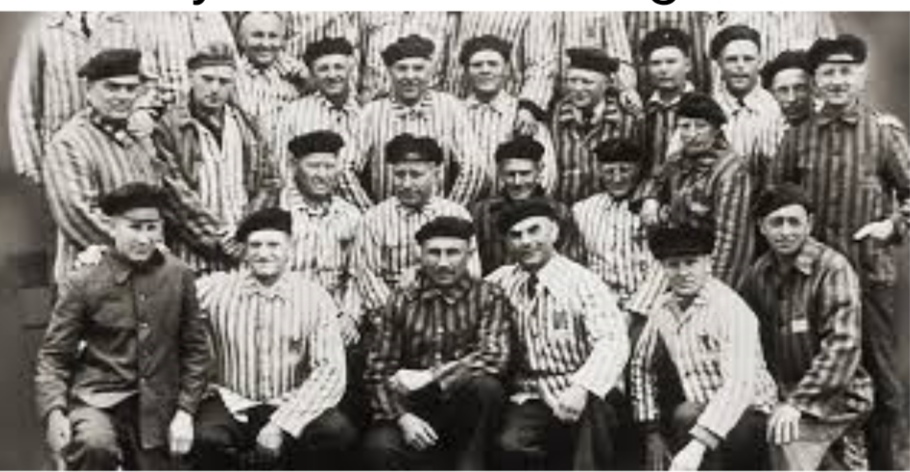
The International Holocaust Remembrance Day (IHRD) honours Holocaust victims and promotes the educational and historical significance of this tragic period.
Auschwitz, during its nearly five years of operation, included a concentration camp, forced- labour camp, and extermination camp, with over 40 subcamps. The Nazi regime executed severe human rights abuses against millions, including Jews, Poles, Slavs Roma and Sinti, homosexuals and people with disabilities. Jehovah’s witnesses were also persecuted; about 400 witnesses of various nationalities were imprisoned at Auschwitz, where gas chambers claimed up to 6,000 lives daily.
Jehovah’s witnesses were identified by a purple-triangle patch on their uniforms, signifying imprisonment for their religious beliefs, not their ethnicity.
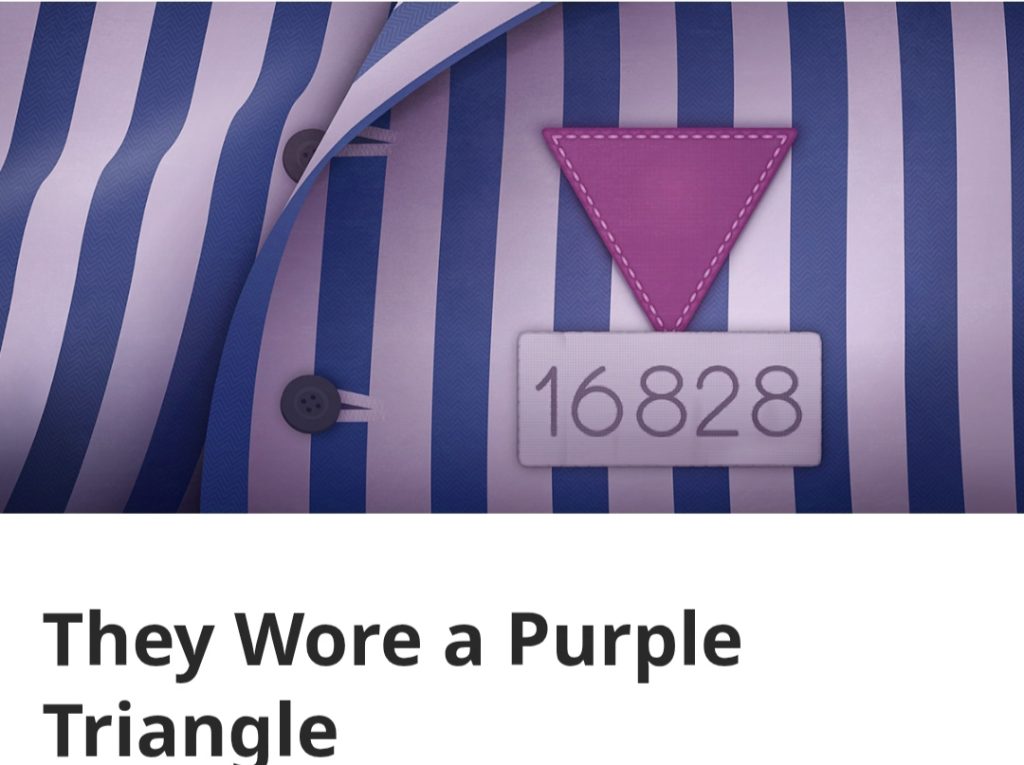
“The witnesses’ moral principles and practices did not align with the Nazi ideology of racism, hate and extreme nationalism. Consequently, their activities were targeted, and they were banned in Germany as early as 1933.”
The story of how Jehovah’s witnesses maintained their faith despite the cruelties of Auschwitz, is a lesser – known part of Nazi-era history. Sociologist and Auschwitz survivor, Anna Pawelczynska noted that the small group of witnesses stood out for their ideological strength.
Auschwitz-Birkenau State Museum records indicate that Jehovah’s witnesses were among the first prisoners sent to the camp. Of the hundreds of witnesses incarcerated, at least 35% died there. The museum’s website states: “Jehovah’s witnesses deserve closer attention for their ability to hold on to their moral principles under camp conditions.”
“On the scale of Auschwitz’s huge community, the Jehovah’s witnesses constituted but a tiny, inconspicuous little group,” said Sociologist and Auschwitz survivor Anna Pawelczynska. “Nevertheless, the colour of their triangular badge stood out so clearly in the camp that the small number does not reflect the actual strength of that group. This little group of prisoners was a solid ideological force, and they won their battle against Nazism.”
Jehovah’s witnesses were persecuted solely based on their religious convictions. The Nazis offered them freedom if they renounced their faith and supported the regime, but they remained loyal to their values. On January 27, 1945, the Soviet Union’s Red Army liberated about 7,000 from the death complex.
Last year, Jehovah’s witnesses released a digital brochure titled “Purple Triangle – Forgotten Victims of The Nazi Regime.” The 32 – page brochure is available for free download on JW.org, and features pictures and documents from a travelling exhibition. The exhibition, displayed at memorial museums and educational institutions across Europe, had been viewed by about 600,000 by the end of 2022.
Jehovah’s witnesses believe and educate the public through their global Bible – based campaign of a future free of human suffering caused by all forms of injustices. To learn more, visit their official website, www.jw.org.