
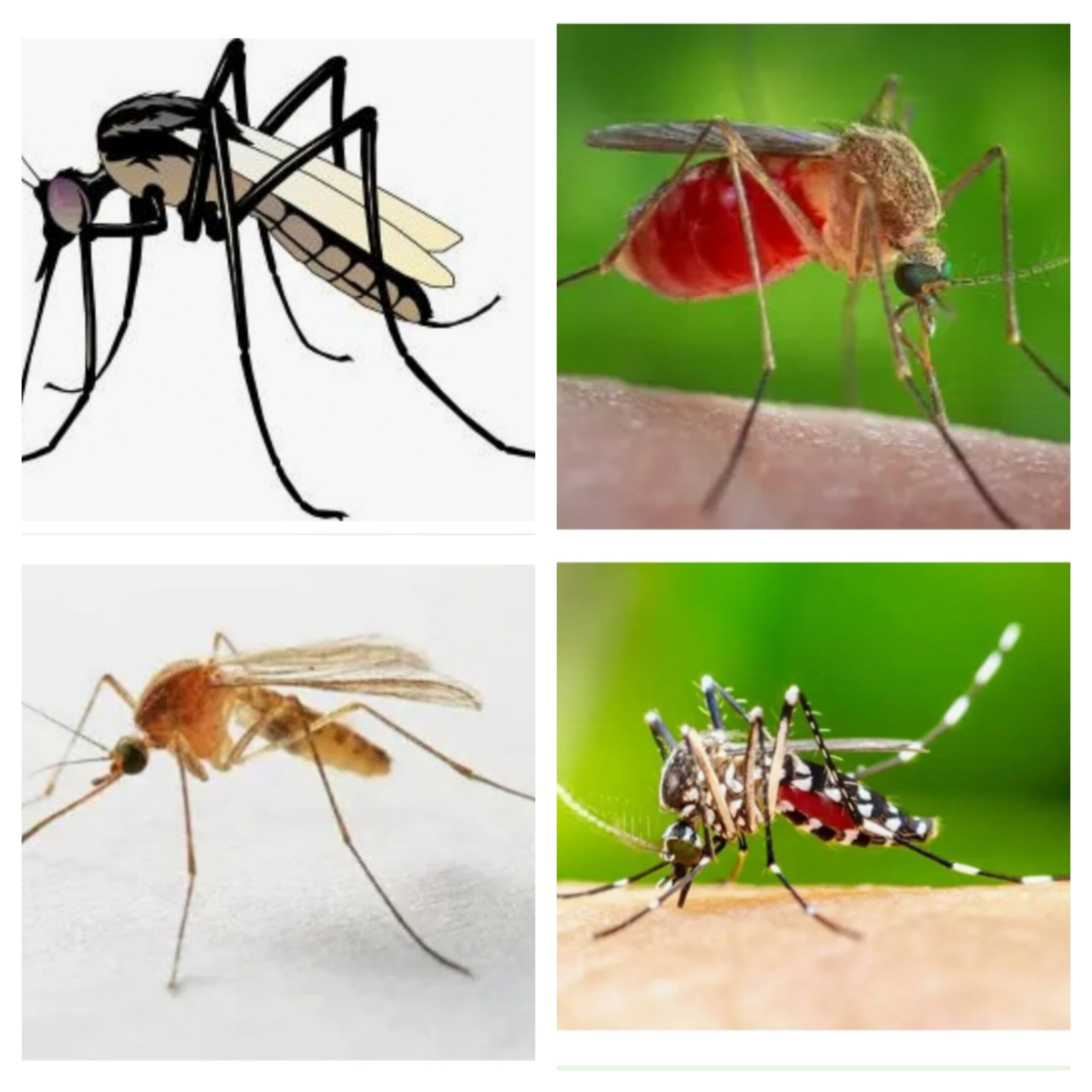
Alphabet, the parent company of Google, is seeking permission from the United States government to release 32 million specially prepared mosquitoes across California and Florida over the next two years. The goal of this initiative is to slash the populations of wild mosquitoes that spread dangerous illnesses, specifically West Nile virus and St. Louis encephalitis.
The project is being run by Verily, a life sciences company owned by Alphabet, under an initiative called “Debug” that started back in 2016.
The United States Environmental Protection Agency is currently reviewing the proposal under a special experimental permit. The agency is accepting feedback from the public until early June, and the exact locations where the mosquitoes will be released have not yet been made public.
How it Works: The Science Behind the Plan
The entire strategy relies on a type of bacteria found naturally in many insects, called Wolbachia.
- Only Males Released: The project specifically breeds and releases male mosquitoes infected with this bacteria. This is crucial because male mosquitoes do not bite humans; only female mosquitoes bite to feed on blood.
- The Mating Trick: When these lab-reared males mate with wild female mosquitoes that do not have the same strain of bacteria, the resulting eggs fail to develop and never hatch. Over time, this causes the overall local mosquito population to shrink dramatically without adding any extra bug bites for local residents.
The Target Species
This specific project is aiming to control Culex mosquitoes. This specific group of mosquitoes is the primary carrier of both West Nile virus and St. Louis encephalitis, both of which are already present in California.
According to the Centers for Disease Control and Prevention, West Nile virus is the most widespread illness transmitted by mosquitoes in the United States. Highlighting the ongoing risk, health officials recently confirmed a positive sample of the virus in Riverside County, California.
