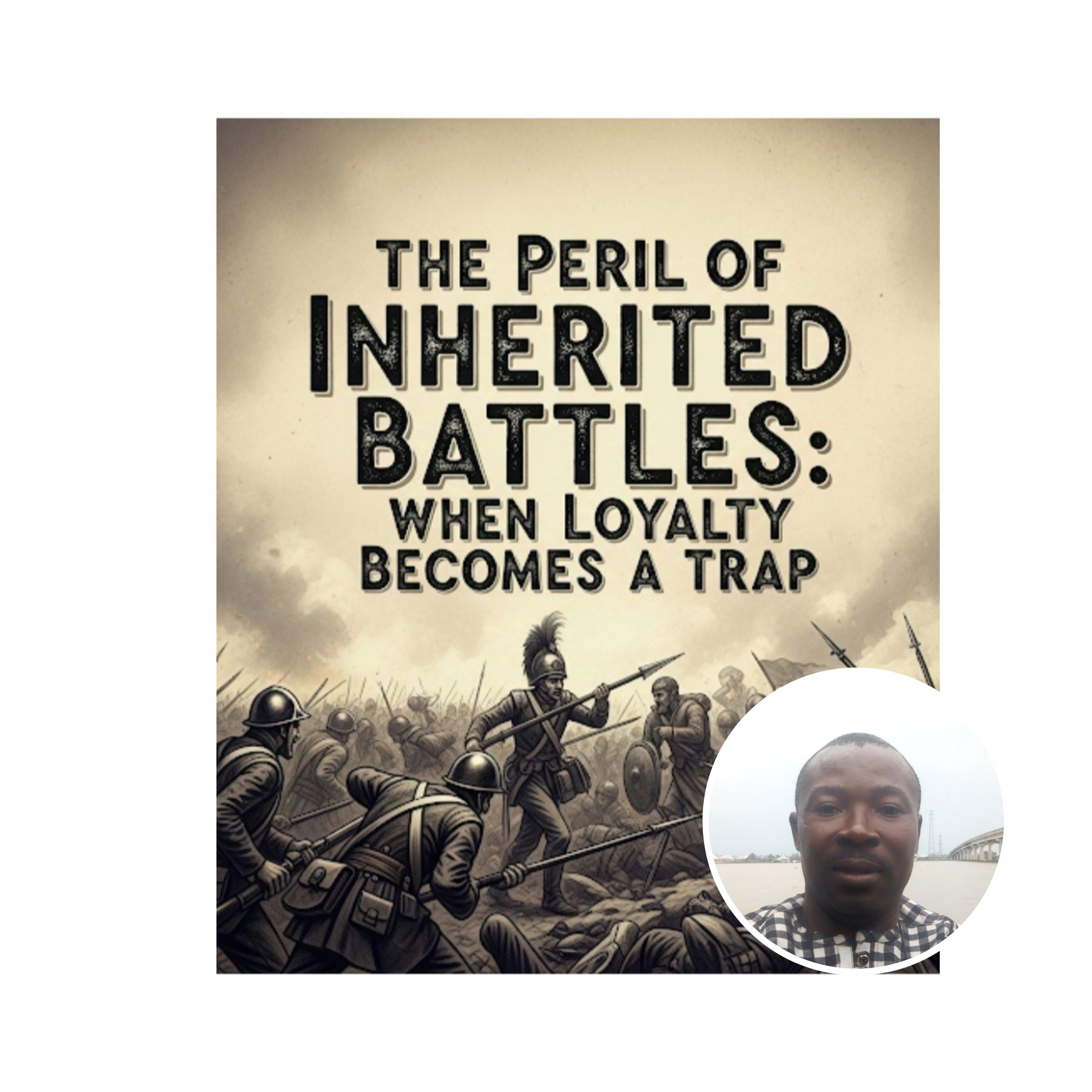
By Warefa Pereke.
June 29, 2025.
In the intricate dance of human relationships, loyalty is often praised as a cornerstone – a virtue to be cherished and displayed. We are taught to stand by our friends, family, and allies, to defend their honor, and to fight their corners.
However, there is a subtle yet significant trap many of us fall into: inheriting other people’s battles as a symbol of our loyalty. You see a friend wronged, a family member insulted, or an ally undermined. Your immediate instinct, fueled by a genuine desire to support, is to jump into the dispute. You adopt their grievances as your own, turning their enemies into your enemies, and their conflicts into your personal conflicts , as a concrete way to show you care and to prove your unwavering support.
But here is the quiet, often painful truth: one day, you may feel profoundly betrayed when those very people decide to forgive each other. Imagine investing your emotional energy, time, and even reputation in someone else’s feud, only to wake up one morning and find out that the original parties have reconciled. The very individuals you fiercely defended are now sharing a laugh, while you are left holding the bag of lingering resentment and a fractured relationship with the “enemy” you made on their behalf.
The loyalty you so readily offered can, in that moment, feel like a naive misstep, leaving you with a bitter taste of abandonment. This scenario is not an indictment of forgiveness; rather, it is a cautionary tale about the nature of personal conflicts.
Conflicts are, by their very essence, deeply personal. They involve nuances, histories, and emotional complexities that outsiders, no matter how well-meaning, can never fully grasp. The parties involved often have a capacity for resolution, reconciliation, or simply moving on that those on the sidelines might not anticipate.
Beyond the risk of reconciliation, there is another stark reality to consider: the person you are loyal to may simply cease to exist. Life is unpredictable, and loss is an inevitable part of the human experience. Whether through death, relocation, or simply drifting apart, the individual for whom you picked up fight may no longer be present. When this happens, what becomes of the battles you inherited? You are left with the lingering animosity, the fractured relationships, and the emotional baggage of a conflict that no longer has a primary participant. The “enemy” you made is still your enemy, but the reason for the enmity has vanished. This leaves you in a lonely, often meaningless, state of perpetual conflict, fighting a battle that is not originally yours, whose rightful owner is no more.
For these reasons, we need to redefine loyalty. This is not to say we should abandon loyalty or become indifferent to the struggles of those we care about. Instead, it is an invitation to redefine what true loyalty entails. True loyalty is not about blind inheritance of conflict; it is about unwavering support for the person. It is about lending an ear, offering a safe space for them to vent, to process their emotions, and to feel heard.
True loyalty also includes providing counsel and offering advice and perspective without imposing your own agenda. It also includes standing by them through thick and thin, regardless of their choices or circumstances and allowing them the space to navigate their own conflicts and make their own decisions, even if those decisions involve forgiveness or a shift in relationships.
By understanding the danger of inherited battles, we can cultivate a more mature and sustainable form of loyalty – one that empowers those we care about, protects our own peace, and ultimately, fosters healthier, more authentic relationships. It is a reminder that sometimes, the most loyal act is to allow others to fight their own battles, while you remain steadfastly in their corner, ready to offer a hand up, not a sword.