By Warefa Pereke.
“When the most basic need for nutrition becomes a luxury, the mental and physical toll on the youth becomes a heavy burden that the entire nation must eventually carry”.~ Warefa Pereke.
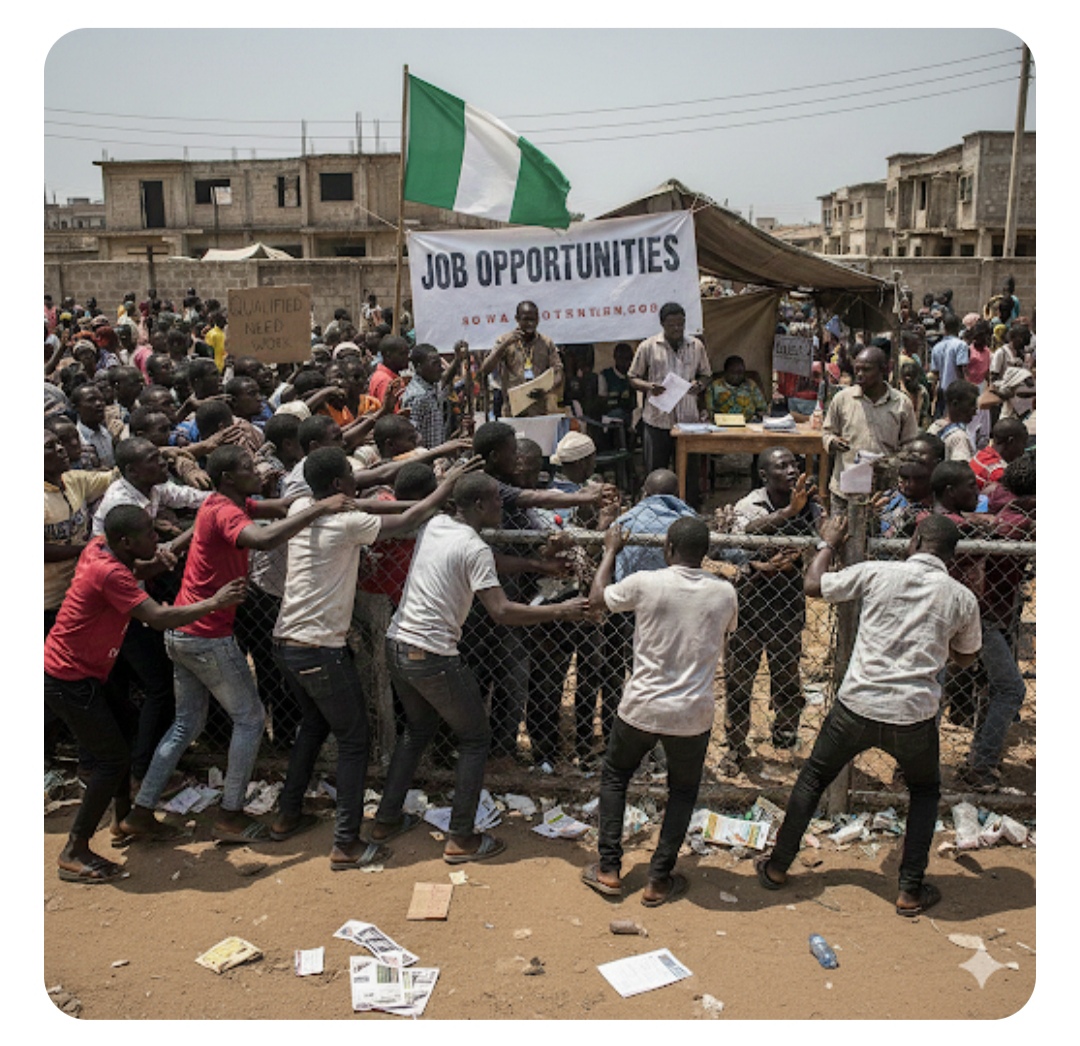
The struggle for survival has become a daily reality for millions of young Nigerians. Many unemployed youths are struggling to afford basic meals as the cost of living continues to rise sharply. This lack of food security is more than just a personal hardship; it is a direct blow to the dignity of a generation that was promised a better future.
Beyond the struggle for food, there is a desperate race against time as young people fight to catch up with shrinking opportunities. Many find that the jobs they were trained for are disappearing, replaced by a stagnant economy or automated processes they are not prepared for. This leads to a deep sense of being left behind. For these reasons and many more, there is bound to be growing frustration that bubbles just beneath the surface of society.
One major source of this anger is the “skills mismatch” between what schools teach and what the modern job market actually needs. Many graduates spend years in universities only to discover that their degrees do not provide the technical or practical skills employers want today. This realization often comes after significant financial sacrifice by their families, making the lack of a job feel like a betrayal of their hard work and investment.
The rising cost of “Japa”—the desire to emigrate for better prospects—also adds to the tension. While many youths dream of leaving, the reality is that the vast majority cannot afford the passports, visas, or travel costs required to escape their circumstances. Being trapped in an environment with no visible path upward,creates a feeling of being caged. This stagnation is further worsened by the high age limits often placed on entry-level government and private-sector jobs, which effectively “expire” a candidate’s potential before they even get a fair chance.
Finally, the lack of a social safety net means that an unemployed youth is often one step away from total destitution. Unlike in some other countries, there are no monthly checks or food stamps for those out of work. This forces many into the “informal sector,” where they work long hours for extremely low pay and no benefits.
Watching a small group of people live in extreme wealth while the majority struggle to buy a loaf of bread creates a sense of social injustice that fuels deep-seated resentment across the country.